Author Archives: michael

Single-Vent Jackets – How To Put Your Hands In Your Pockets

Things to think about.

Another unintended post on vents today!  This time the inspiration was from another downtown walk – from The Landing in Gastown towards Howe and Dunsmuir.

The Mistake:

In this case I counted 4 guys walking with their hands in their pockets while wearing a single-vent suit jacket. In itself the hands in the pockets is not a problem – it’s how you execute the maneuver though that can cause trouble.

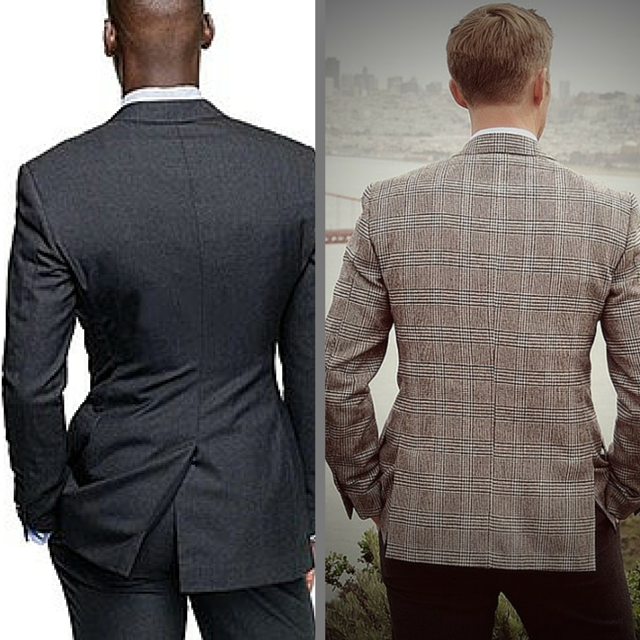
Below is an image of what a single-vent jacket looks like in relation to a two-vent jacket when viewed from the back with hands in the pockets:

insta2

Right off the bat you’ll notice that the two-vent jacket on the right looks much cleaner when the hands are in the pockets.  The back flap operates independent of the side panels thus your seat is always covered and there are no strains on the jacket itself.  With the single-vent on the left the vent gets pulled open – this both exposes your seat and creates an unnatural pulling effect on the back of the jacket right above the vent itself.  Furthermore you’ll also notice that right hand is not even in the pocket – if this was the case then the exposure of the seat and the pulling effect would be substantially worse.

The Solution:

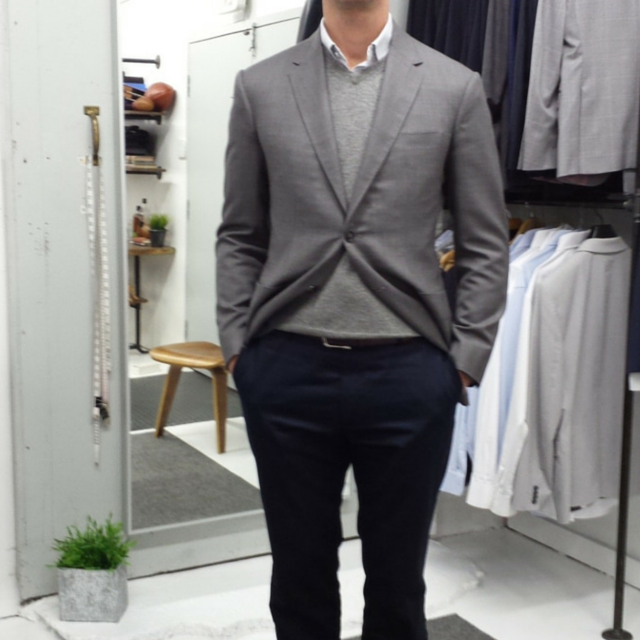
It’s quite simple – always go for your pockets from the front of the jacket.  Start with your hands at the front opening and sweep back until you reach the pockets.  This way the excess cloth of the jacket is pushed to the back and the vent itself is never opened.  An added bonus is that it looks very clean from the front – judge for yourself:

insta3

An added tip – as you sweep the cloth back roll the front underneath itself.  This keeps your silhouette cleaner as it reduces the visual bulk above your pockets.

Take care – and as always if you have any questions don’t hesitate to get in touch.

Michael

info@martinfishertailors.com

How To Nail Dressed Casual In 5 Steps

blog post 2a (instagram grid)

Introducing Dressed Casual.

Vancouver is unquestionably casual when it comes to attire – the result being we perpetually feel on the verge of overdressing in a way you would never feel in Europe, New York or Montreal.  Suits are a daily ritual in certain sectors and remain appropriate in specific non-work situations but much more common is a dressed casual approach: especially in industries like advertising, technology, hospitality and real estate.  It’s a fully put together look but one that is firmly casual in its roots.

Oddly though the dressed casual look is way harder to pull off.  With a suit comes certain conventions that guide and keep you focused.  With dressed casual you’re walking a line between two styles – with this comes plenty of freedom and choice but more importantly ample opportunity to make mistakes.

Here are 5 keys to nailing the dressed casual look:

1.  Wear a jacket.

An odd jacket or blazer is the key to the dressed casual look – instantly you’re appearance is elevated a level.  Three keys in this:

The first is it’s an odd jacket – meaning the pants don’t match.  There should be no confusion thus the color, texture and pattern of the two need to be clearly different.  The second is cloth selection – smoother worsted wools are the most formal, flannels and textured wools are less so and then we have tweeds, linens and lastly cotton which is the most casual.  The last key is the jacket’s structure and length – a loose rule being the more unstructured and shorter the jacket the more casual it becomes so find the balance that works for you.

2.  Get the pants right.

Whether you’re wearing wool, cotton or denim it’s crucial to sync the fit of your pant to that of your jacket.  A jacket creates a long and lean silhouette – our pants need to do the same thing.  The most common error; too loose and too long.  We need room in the seat and quads as most of us sit for the bulk of the day.  What should be lost though is the bagginess that most guys wear from the knee down and the pooling that occurs on your shoe.  Trim it up.

3.  Wear a collar.

You would think this is obvious but I see a lot of jackets worn over t-shirts out there.  Without doubt a collar elevates your look to the next level – depending on execution it can lean towards a more formal look or it can be quite casual.  A warning though – a polo shirt doesn’t always count.  There is what I refer to as a dress polo and then there are golf shirts.  If your polo is like the one below then go ahead.

blog post

4.  Mix and match.

This refers to texture of cloth, layers and a little bit of color – notice how that is listed last.  Color is often pushed as the first way to spice up your look – I couldn’t disagree more.  When used well color can definitely add to a look but it’s the blending and layering of different textures that makes things visually appealing.  In the images above and below you see exactly that – a cashmere sweater under a textured wool, flannel paired with a smooth worsted wool, cotton with a dressed up denim.  It’s the subtlety that is so crucial – play around a bit and learn what looks best to your eye.

5.  Shoes make the man.

The saying might be a bit over the top but shoes absolutely complete the finished product.  And with trimming down your pants and removing the pooling at your ankles your shoes are now prominently on display which means they cannot be an afterthought.  Suede chukkas, classic lace-ups, loafers – the ones shown are a just few examples of the options available to you.  Look for a post next week when I’ll go over the range of shoes you need to have on hand.  At a minimum though – keep them polished and well loved.

Take care – and as always if you have any questions don’t hesitate to get in touch.

Michael

info@martinfishertailors.com
Remove your basting stitches!

Things to think about.

A bit of an unintended post today – but the stats dictate it!

The Mistake:

Over the course of a 10 minute walk this afternoon from Gastown to the corner of Dunsmuir and Burrard I managed to spot 8 suit jackets and 3 overcoats with the basting stitches still in place on the back vents.  Two friends walking together each made the mistake which led to my paying attention – apparently it’s more common than I thought.

If you’re unsure as to what I’m referring to – it’s the stitches that close the vents on the back of a jacket and sometimes on the cuff:

inst

Apologies for the photo quality – I pondered taking action shots but in the end felt it was inappropriate thus google images it was!

The Solution:

The reason for these stitches in the first place is to simply hold the vents closed and in place during shipping.  Once you’ve purchased the jacket you need to remove them to allow the vent to move and in doing so provide you with a greater ease of movement.  To do so simply use a seam ripper (found in any sewing kit) or standard home scissors to gently snip one corner and the thread will easily pull away.

Take care – and as always if you have any questions don’t hesitate to get in touch.

Michael

info@martinfishertailors.com
 

Friday Style Debate: Do you button up with a three-piece?

Time to debate!

Welcome to the opening post of a new weekly feature – the Friday Style Debate.

Each Friday will be style-based question and I’m looking to hear feedback as to which side of the debate you fall.  It’s a timely opener as recently I’ve made a lot of three-piece suits and every time the question is the same:

Do I leave the jacket open or do I button up?

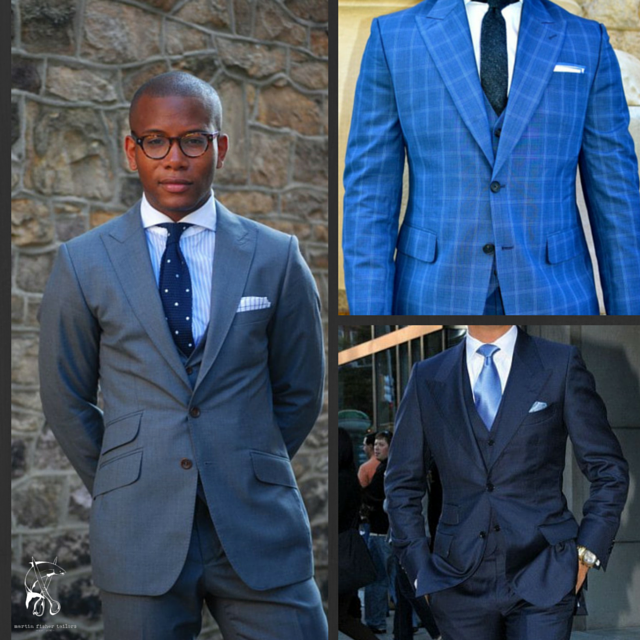
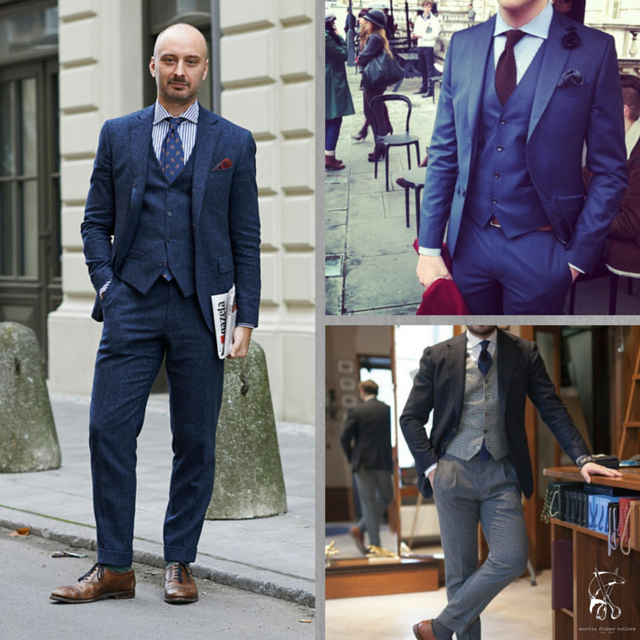
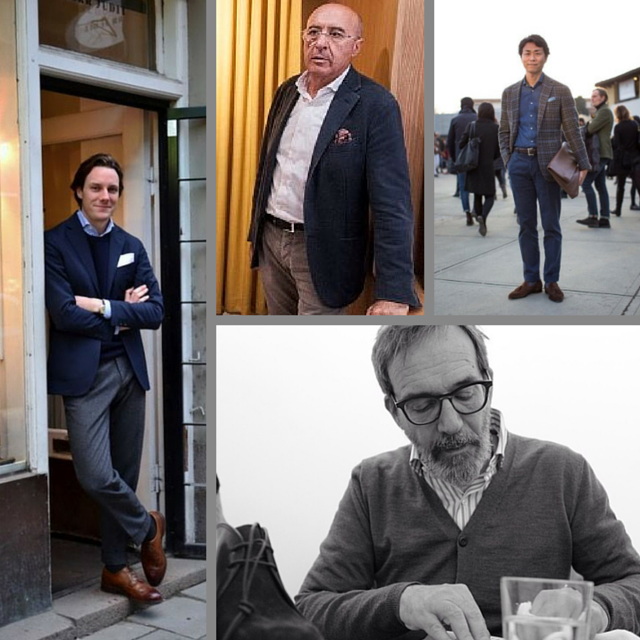
Here are few images in support of the peekaboo view of the vest while buttoning up:

blog post 1 (instagram grid)

And here are a few in support of letting the vest be on full view:

blog post 2 (instagram grid)

Let the debate begin…

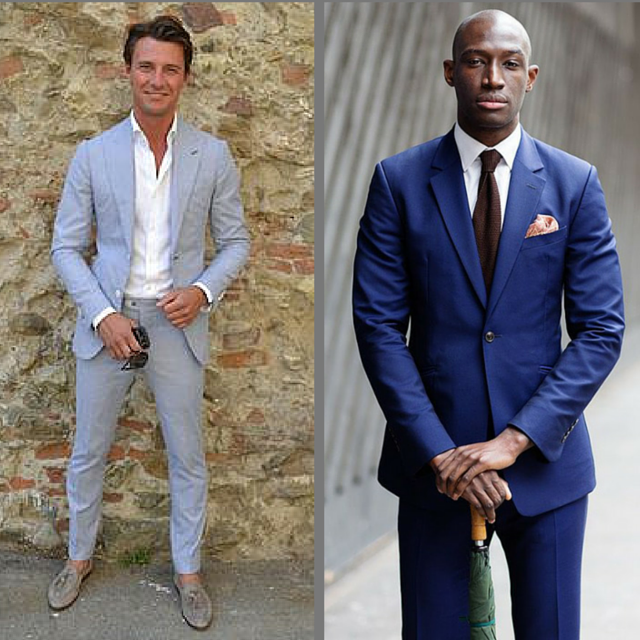
Introducing dressed casual…


inst (1)

Byron Peart of Montreal’s WANT showing us dressed casual at its finest.

The take away:

It’s about nailing proportion and texture.

1018TulScarfWeb1[1]

This fellow has a completely different feel but it’s all the same – it’s simply about how he plays with proportion and texture.

Analysis:

In both cases it’s a rougher cloth for the jacket with a slightly smoother one for the pant – this textural difference instantly reduces the formality of the look but makes it visually very interesting.  As for proportion they’re the exact opposite; on the top it’s a shorter jacket with a roomier trouser with a very low crotch point.  The second image is a more traditional length jacket but in this case it’s paired with a lower rise trouser.  In their own way each guy is playing with a combination of formal vs casual proportions – in doing so each are achieving great results.

Let me know if you have any thoughts or questions…

Michael

Getting Fit in 2015?

Facebook True Final

Welcome to 2015 everyone.

For many a new year means a new set of resolutions and goals.  A topic that consistently tops list’s is a renewed commitment to fitness and overall health. We’ve just hit the two-week mark and the statistics show that it’s right about now that our commitments begin to waver.  With that in mind I urge you to hang in there.

No doubt getting back into shape is a painful process – the silver lining though is the more your body gets used to that pain threshold the easier each work out will become.  Pretty soon you’ll be increasing the reps and adding weight to chase the exact pain you feel now!

Another spin off to keep in mind – and assist in the motivation department – is how you’re going to look and feel in your clothes.  All those hours in the gym and pounding the pavement can be expressed through how you wear your clothes.  The key is to know that poorly fitted clothing can visually add 10 pounds or more to your frame.  So whether you’re subtly changing your physique or reducing it considerably there are a lot of simple alterations we can make to visually clean up your look.  Reducing some bulk at the button stance on the jacket, thinning your sleeves, taking away some excess in the leg of your trousers, playing with the type of break you have at the hem – these are just few examples of easy changes that can radically alter your silhouette.  You’re putting in the hard work so you might as well let the results be seen.

If you’re interested don’t hesitate to get in touch and we can discuss some of the options available to you.

Michael


Off The Rack vs Made To Measure…

inst (2)

What works best for me?

I’m often asked this question and there are countless angles to look at it from.  In the name of simplicity my advice is always the same – start with your body and its shape.  Are you of the shape that you can purchase something off the rack?  If given the ability to buy a suit as separates (when you purchase the jacket and pant individually as opposed to as a pair) are you able to purchase off the rack?  If the answer to either of these questions is no then you’re in a position where you have to be purchasing made-to-measure.  Don’t fret though – made-to-measure is not necessarily more expensive than off-the-rack and in many cases it can be less costly.

If you answered yes then you’re in the envious position of getting to choose which route works best for you.  If you’re able to satisfy your style and cloth needs from off-the-rack options then you’re good to go.  If not – turn to made-to-measure and open up a wealth of possibilities. Either way do look at the previous post on tips to follow when purchasing an off-the-rack – it will help you in making the decision as to which camp you belong.  Don’t hesitate to get in touch if you have any questions…

Michael

info@martinfishertailors.com
 

Things to Think About: Shoulder Expression

Soft rope close-up

Of the questions I routinely field the most frequent tend to relate to the type of suit I cut.  Potential clients want to know if my tendency is to cut slim and closer to the body or if it’s a more traditional silhouette that is slightly loose and relaxed.  Such questions are valid but are very specific to each individual client and reflects the shared design process that we embark on with the client as we produce their suit.  The result then is that the answer is both.

Which brings me to concept of shoulder expression.  For us the shoulders are the defining element of a suit as they are the platform from which the rest of the suit emerges.  There are multiple factors in the overall expression of the shoulder but in this post we’re going to focus on the three types of shoulders we typically cut at Martin Fisher Tailors.  I want to preface this by saying that the overwhelming majority of our clients choose to have very little padding in the shoulder regardless of the type of finishing they choose.  It’s also important to add that the vast majority want a very light and soft construction through the chest as opposed to more armour-like appearance.

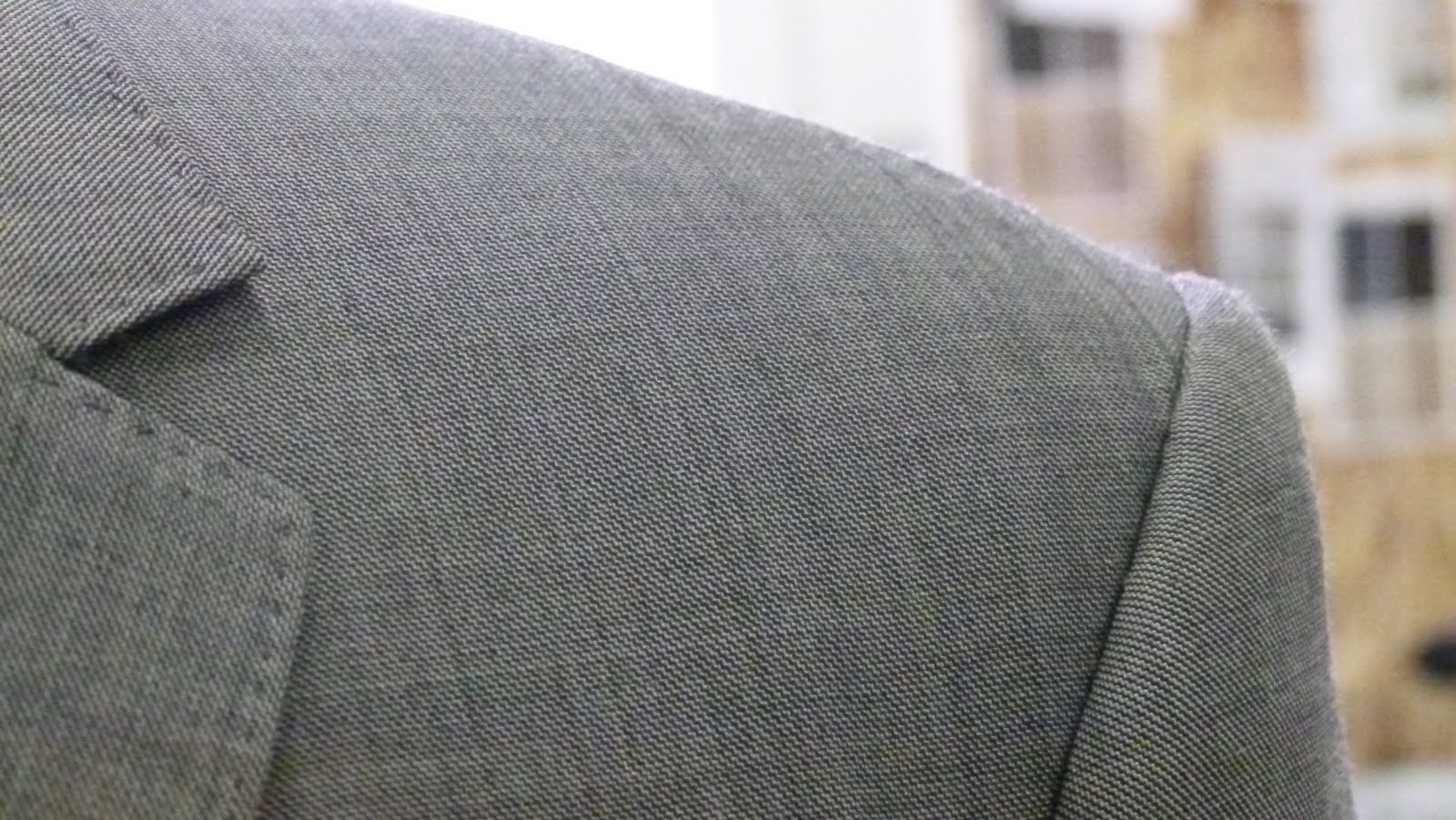
The first – and perhaps most common – is the natural shoulder seen below.

Natural shoulder close-up

The defining feature is the shoulder line follows the natural curvature of the wearer before it falls softly over the shoulder at the sleeve.  This is a very subtle shoulder finish and allows the wearer’s body to provide the shape.

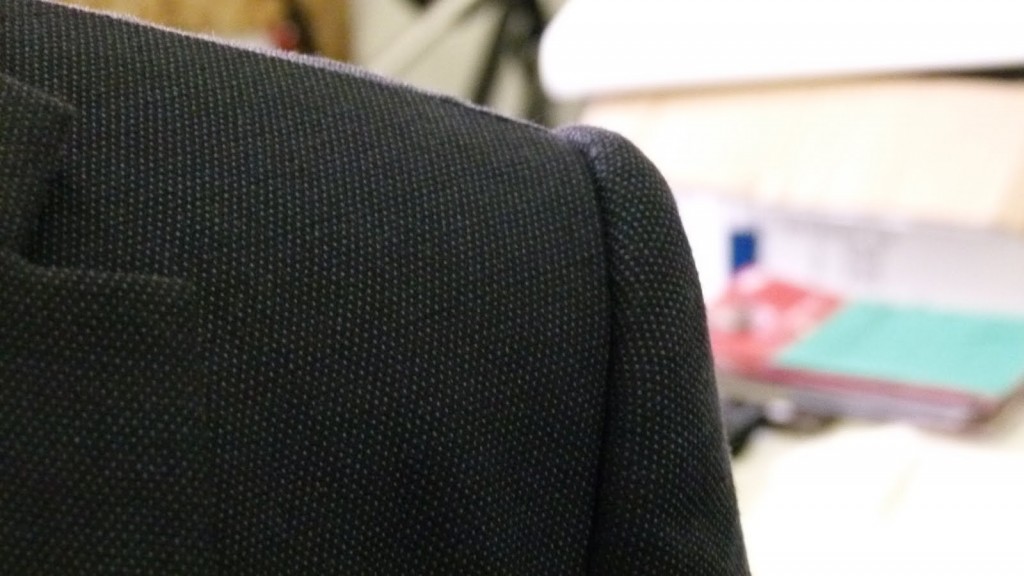
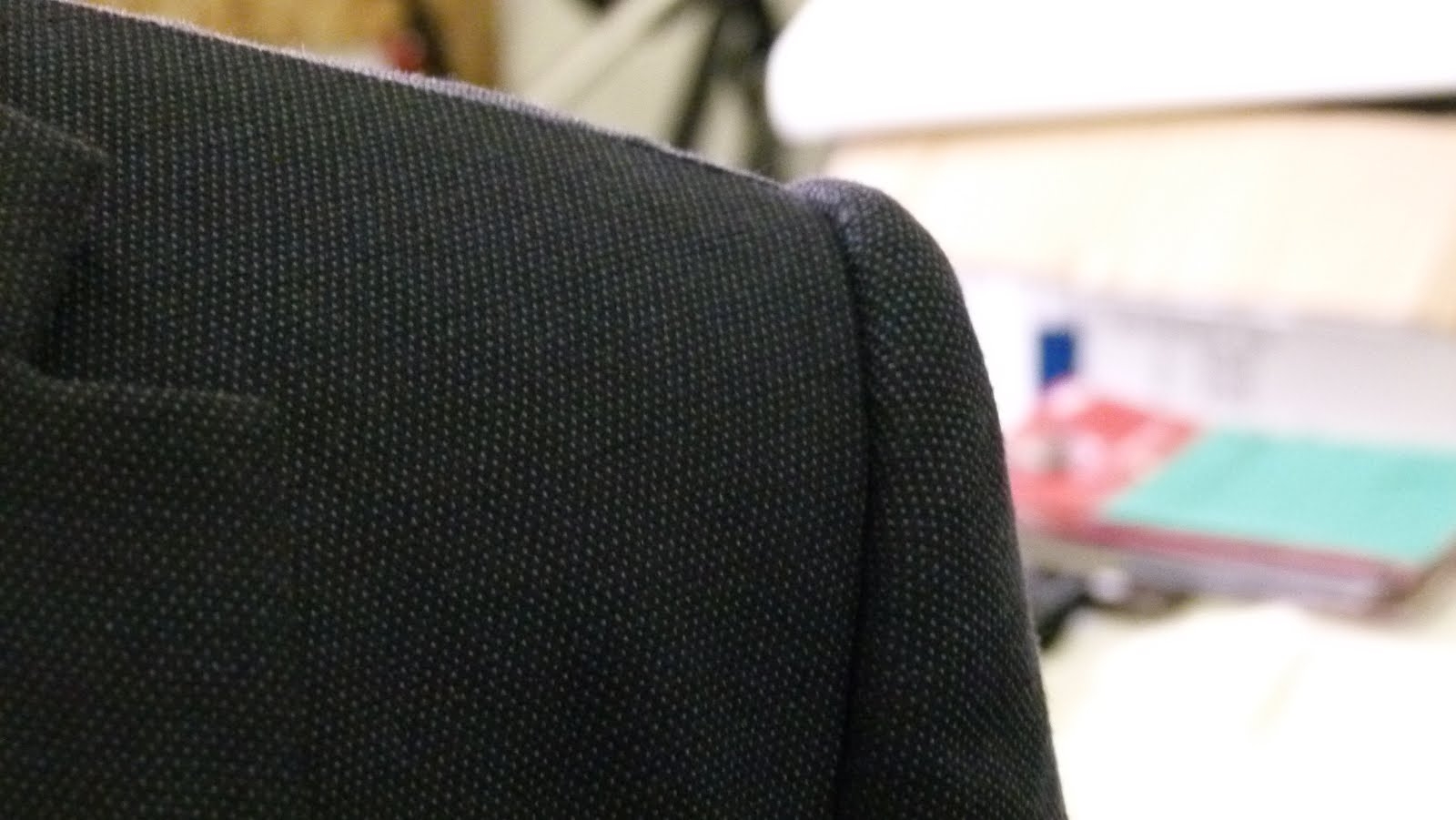
The second example is what we call our soft rope shoulder.

Soft rope close-up

The shoulder line itself is the same as the natural version however where it differs is there is a distinct upward roll of the sleeve at the seam before it softly continues downward.  This clearly delineates the end of the shoulders while visually enhancing their impact.  A secondary element is that is actually increases the size of the upper sleeve as it passes over the deltoid area thus enhancing comfort.

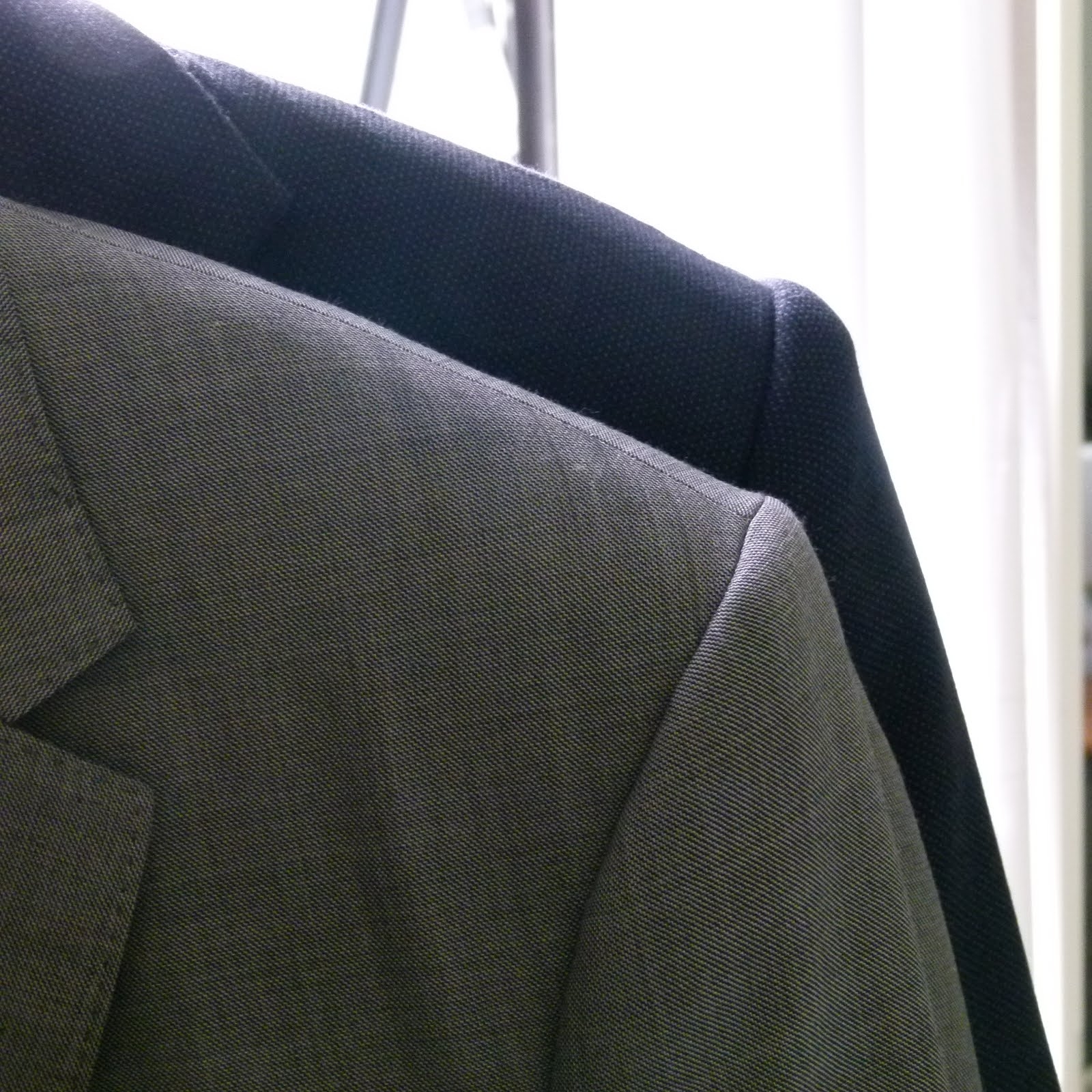
When viewed side by side the difference between the two is quite clear.

 Shoulder expression - soft and natural

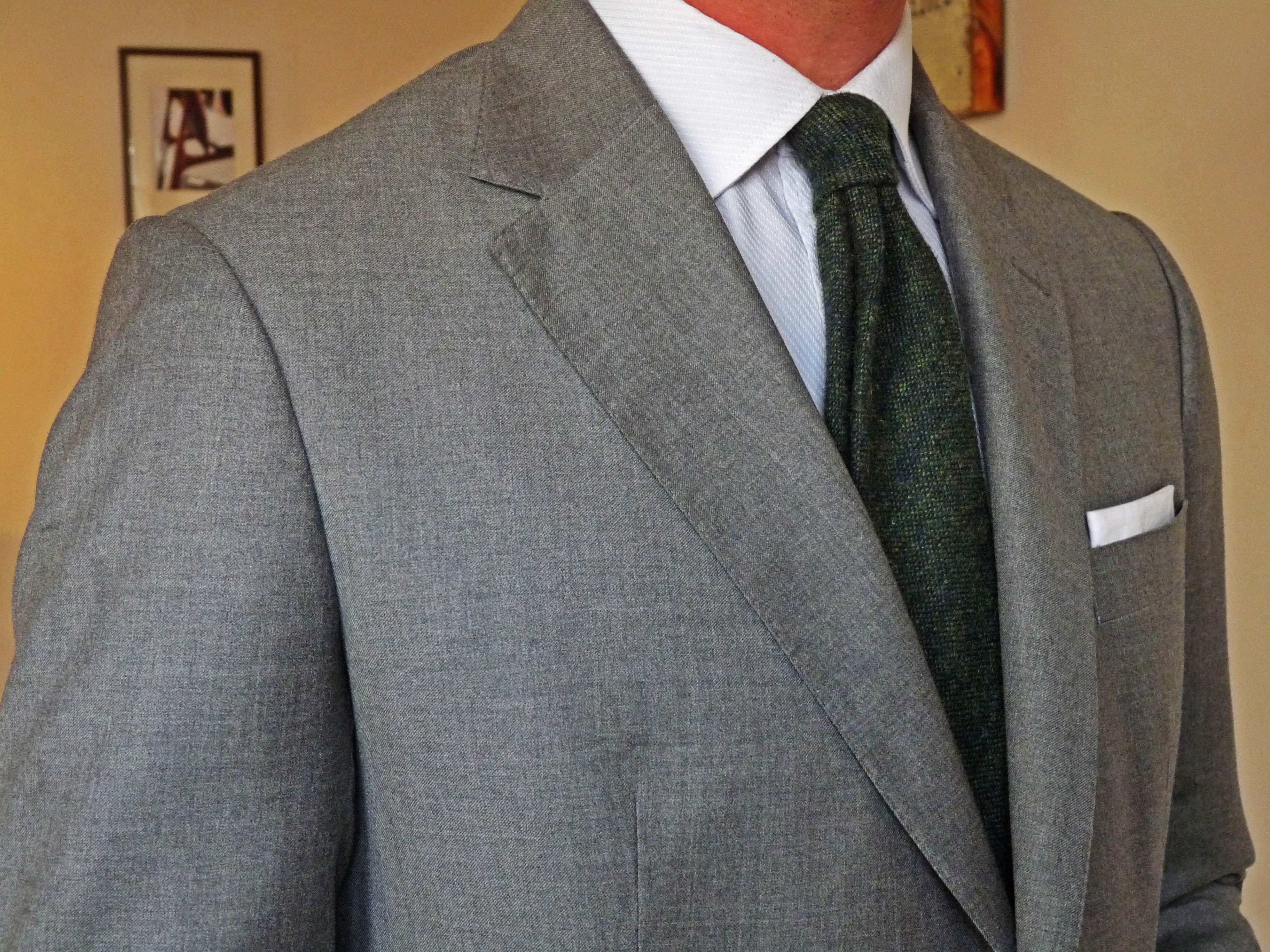
Our third option is essentially a hybrid of the first two.  Instead of a distinct upward roll at the sleeve we design it to have the slightest of bumps which visually delineates the end of the shoulder in the most subtle way possible

P1110545

A fair amount to think about  – let me know if it leads to any questions.  Also look for our next “Things to think about” post as we’ll link how shoulder expression ties into the different type of chest treatments we offer and which will serve you most effectively.